
Instructions for use of disc brake pads
DISC BRAKE PAD INSTALLATION INSTRUCTIONS
- Disc brake pads are usually secured in the brake caliper by pins (retaining pins). Remove these to take out the old pads
- Push the brake pistons fully back into their starting position. In rare cases, it may be necessary to drain brake fluid for this.
- Clean the brake caliper, brake disc and brake piston of any contaminants.
- When installing new brake pads, ensure they are in the correct position and always use new retaining springs. Some brake models use magnets to hold the pads in place, so these do not require retaining springs.
- Secure the brake pads with a locking pin if this is provided for by the brake manufacturer.
After installation, the disc brake pads must be properly bedded in. Since organic, semi-metallic, sintered, or e-bike pads are made of different materials, each type of pad requires a specific bed-in process that must be followed precisely! Follow the respective instructions:
>> Properly bed in sintered disc brake pads
>> Properly bed in semi-metallic disc brake pads
>> Properly bed in organic disc brake pads
>> Properly bed in e-bike disc brake pads
SAFETY INSTRUCTIONS
- Only use brake pads in the compatible brake calipers for which they are designed
- Check the function of the brakes and the tightness of the screws before each journey.
- Wet conditions, dirt, and low temperatures can significantly affect braking performance. Therefore, always drive with anticipation and brake in good time.
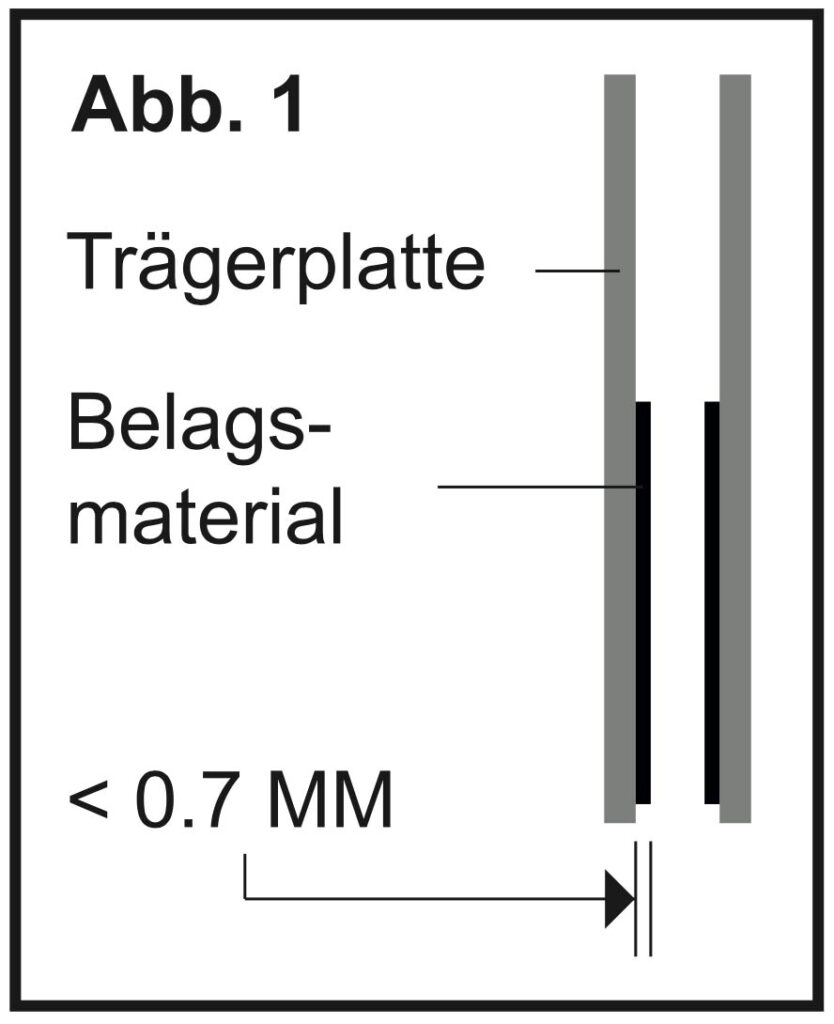
- Brake pads must be replaced as soon as they are contaminated by oil or brake fluid, pad surfaces are contaminated or glazed, or the pad material has become thinner than 0.7 mm.
- Always ensure that brake discs and brake pads do not come into contact with oil or brake fluid. Replace brake pads contaminated with oil or brake fluid immediately.
- During long descents, brakes can overheat, which can impair braking performance. Take regular breaks to allow them to cool down until the braking performance can be safely controlled again.
- We recommend having the brake pads replaced by a qualified specialist workshop.